Helena Vasconcelos, Colunista de Economia
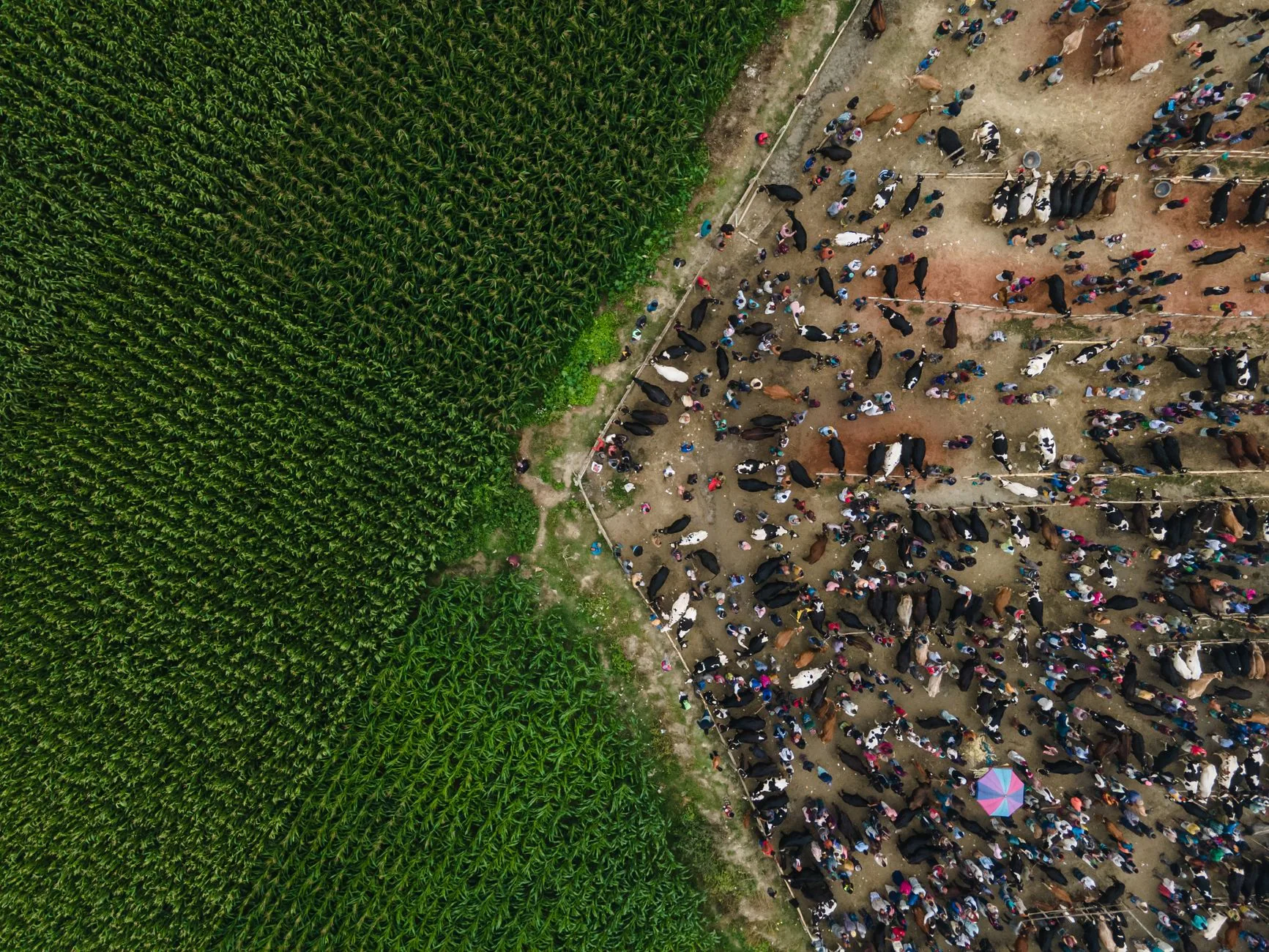
In recent years, the agricultural sector in Goiás has been at the forefront of advancements in cattle reproduction management, with impressive results. A recent headline from a local farm highlighted a prenancy rate above 80%, a significant improvement that underscores the importance of adopting best practices in this critical area of livestock management.
The economic implications of such improvements cannot be overstated. In an industry where every percentage point counts, achieving higher pregnancy rates translates directly into increased productivity and profitability for farmers. This, in turn, can lead to more stable food supplies and potentially lower meat prices for consumers.
But the benefits extend beyond individual farms. By improving reproductive efficiency, Goiás is contributing to the broader beef industry's sustainability. Efficient cattle breeding not only optimizes resource use but also enhances environmental stewardship, as fewer animals are needed to maintain production levels.
However, it's important to recognize that these gains come with challenges. The implementation of advanced reproductive technologies requires investment in both infrastructure and training. Smaller or less capitalized farms may find it difficult to keep up, which could exacerbate existing inequalities within the industry.
Moreover, while the focus on reproductive management is crucial, it should not overshadow other aspects of cattle farming. Diversification of income sources, such as through the sale of calves or by exploring niche markets, can provide additional resilience against market fluctuations.
In conclusion, the success stories from Goiás demonstrate the potential for significant economic gains through better reproductive management. As we continue to navigate the complexities of global food production, these advancements offer a promising pathway towards greater efficiency and sustainability. However, policymakers and industry leaders must work together to ensure that these benefits are accessible to all players in the beef sector.








Comentários (0)
Entre ou cadastre-se para comentar.